
The Evolution and Core Advantages of Modern Smart Locks
With the rapid development of smart home technology, traditional mechanical door locks are gradually replaced by intelligent access control devices, and smart locks have become an essential part of modern residential and commercial security systems. Unlike conventional locks that rely solely on physical keys, smart locks integrate electronic technology, wireless communication and intelligent sensing functions, completely changing people’s access control habits and home security management modes.
The core advantage of smart locks lies in their diverse and flexible unlocking methods. Most mainstream smart locks support multiple access options including fingerprint recognition, digital password, RFID card, mobile app remote unlocking and temporary passcode. This multi-functional design eliminates the trouble of carrying physical keys and solves common problems such as lost keys and stolen keys. For families with frequent visitor changes, smart locks can generate one-time valid passwords for cleaners, delivery workers and short-term guests, realizing convenient and safe temporary access management.
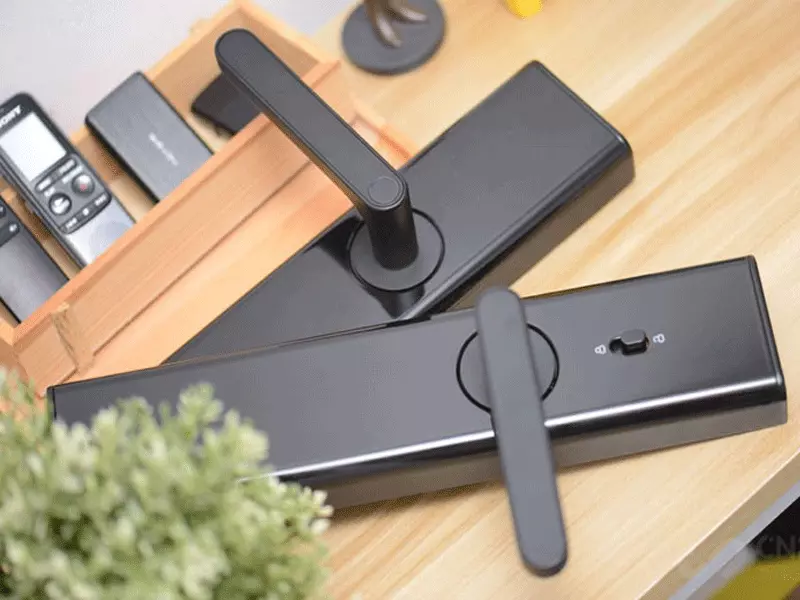
In terms of security performance, modern smart locks are far superior to traditional mechanical locks. They are equipped with high-grade C-level lock cylinders, anti-pry sensors and abnormal access alarm systems. Once violent unlocking, technical picking or wrong password attempts occur, the lock will automatically trigger an alarm and push real-time notification to the user’s mobile phone. In addition, smart locks support access record query, allowing users to check all door opening records at any time, which facilitates daily security monitoring and accident traceability.
Smart locks also feature excellent intelligent linkage compatibility. They can be connected with smart home systems such as lighting, security cameras and alarm devices. When the door is unlocked, the indoor lights can automatically turn on, and the surveillance camera can start recording synchronously, building an all-round intelligent security defense line. With continuous technological upgrading, smart locks are becoming more energy-saving and durable, with low-power battery design supporting long-term standby.
In conclusion, smart locks combine convenience, safety and intelligence, adapting to the fast-paced modern life. As smart home penetration continues to increase, smart locks will further iterate in terms of intelligence, anti-theft performance and user experience, and become the mainstream choice for future home and commercial access control.
Next: No More